


Mechanical Seal Trends 2026 in Industrial Technology
Introduction
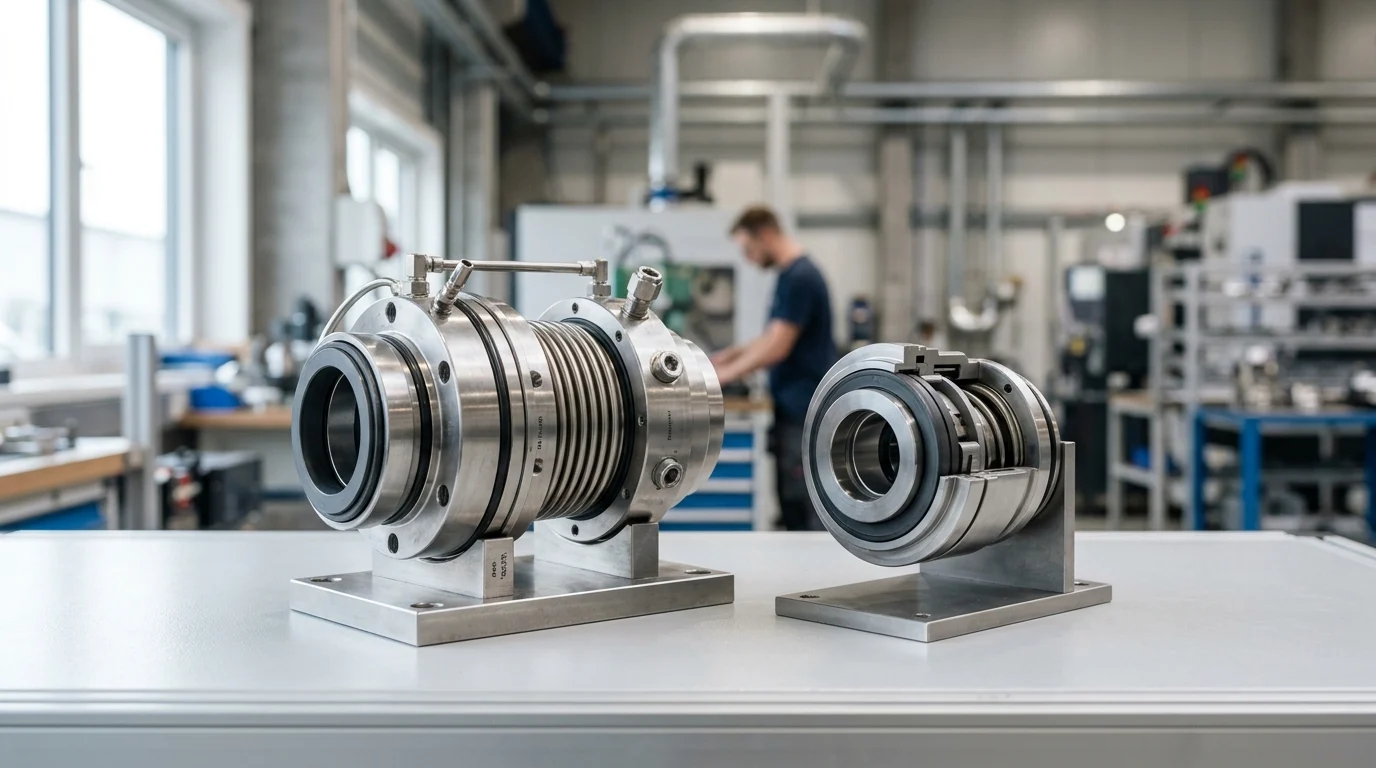
Industrial sealing is moving into a new phase where uptime, emissions control, and lifecycle cost matter as much as basic leak prevention. In 2026, mechanical seal development is being shaped by stricter environmental rules, harsher operating conditions, and wider use of predictive maintenance across pumps, compressors, and mixers. This article outlines the trends most likely to affect plant reliability, including smarter monitoring, materials engineered for severe service, cartridge and dry gas seal advances, and design choices aimed at longer mean time between failures. By the end, readers will have a practical view of where seal technology is heading and what those changes mean for maintenance strategy, compliance, and equipment performance.
Mechanical Seal Trends 2026 and Industrial Reliability
The landscape of fluid control is rapidly evolving, with mechanical seal trends 2026 pointing toward zero-leakage mandates and predictive asset management. Industrial facilities are transitioning away from reactive maintenance, demanding sealing solutions that guarantee uninterrupted operation under extreme pressures and temperatures.
As processing plants face stricter environmental oversight and tighter profit margins, the role of the mechanical seal has shifted from a basic consumable to a critical focal point for reliability in rotating equipment. Understanding these upcoming trends is essential for engineering teams looking to optimize lifecycle costs and maximize operational uptime.
Why these trends matter for plant performance
Plant performance relies heavily on rotating equipment reliability, where seal integrity is often the deciding factor in overall system availability. A single pump failure can cost petrochemical and refining facilities upwards of $15,000 per hour in lost production, making unplanned downtime a primary target for operational improvement.
Furthermore, stringent environmental regulations, such as EPA Method 21, require fugitive emission thresholds to remain below 500 parts per million (ppm), with some local jurisdictions pushing for limits under 100 ppm. Adapting to 2026 trends ensures regulatory compliance while extending Mean Time Between Failures (MTBF) from a legacy standard of 24 months to over 60 months in severe service applications.
Key metrics and evaluation criteria
Evaluating mechanical seal performance now requires a holistic view of lifecycle metrics rather than a simple focus on initial acquisition costs.
| Performance Metric | Legacy Seal Standards | 2026 Target Benchmarks |
|---|---|---|
| Average MTBF | 24 - 36 months | 60+ months |
| Fugitive Emissions | < 1,000 ppm | < 500 ppm (often < 100 ppm) |
| Frictional Power Loss | Baseline | 15% - 25% reduction |
| Condition Monitoring | Manual / Periodic | Continuous IoT (Real-time) |
High-Impact Mechanical Seal Technologies for 2026
Achieving the ambitious reliability targets set for the next few years requires significant leaps in component engineering. High-impact mechanical seal trends 2026 are heavily driven by material science innovations and the integration of micro-electronics directly into the seal gland.
Advanced materials and smart seal monitoring
The adoption of diamond-like carbon (DLC) coatings and advanced sintered silicon carbide (SiC) faces is becoming standard for highly abrasive and poor-lubrication applications. These advanced tribological materials reduce face friction by 20% to 30%, significantly lowering the heat generated at the seal interface and preventing fluid vaporization.
Simultaneously, Mechanical seals are increasingly equipped with embedded smart sensors. These IoT-enabled modules transmit temperature, pressure, and high-frequency vibration data via WirelessHART or LoRaWAN protocols at 15-minute intervals. This allows operators to detect dry-running conditions well before catastrophic failure occurs.
Cartridge platforms and easier installation
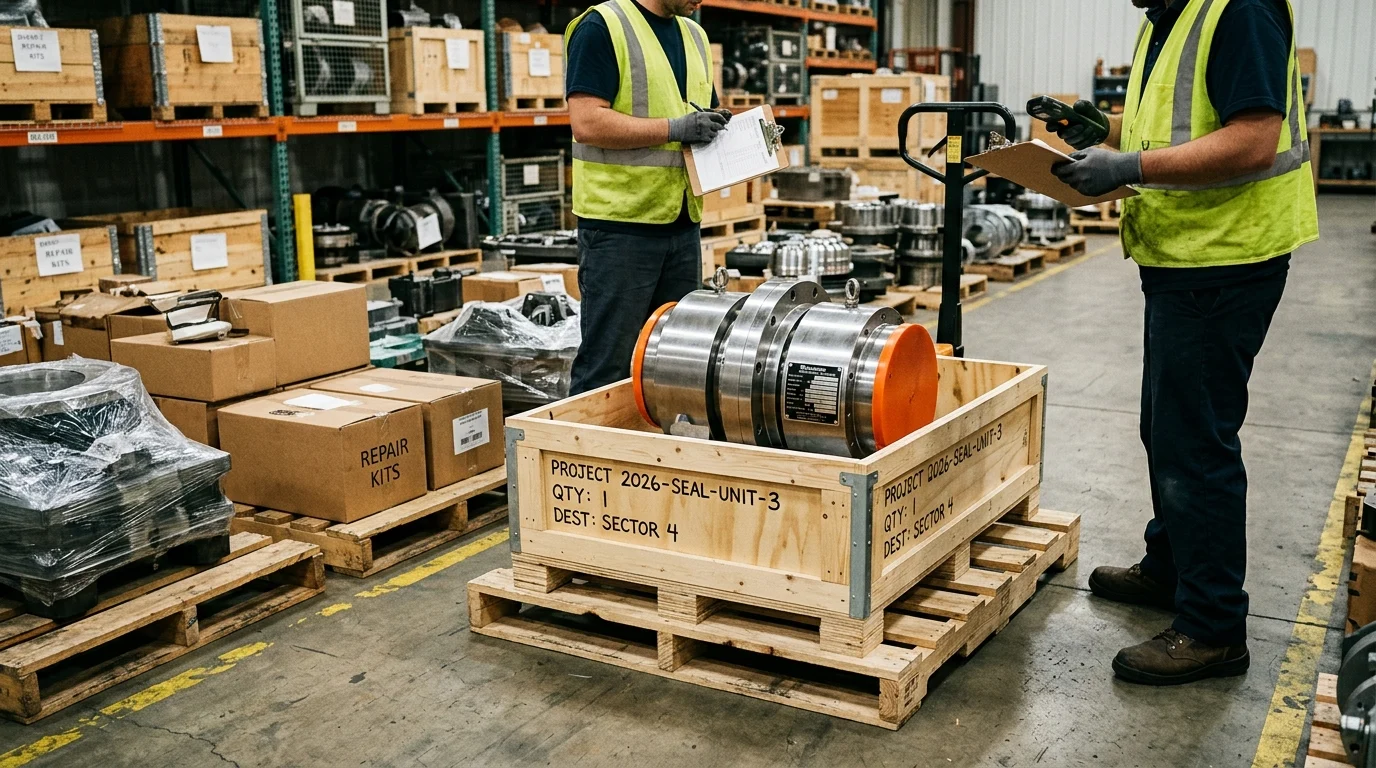
Installation errors historically account for nearly 30% of premature seal failures. By 2026, modular cartridge platforms are expected to dominate both new pump installations and aftermarket retrofits across all heavy industries.
These pre-assembled units eliminate manual axial measurements, reducing installation time from a standard 4 hours down to under 45 minutes, protecting highly sensitive lapped seal faces from human error.
How Buyers Should Respond to Mechanical Seal Trends 2026
Navigating mechanical seal trends 2026 requires procurement and engineering teams to align their purchasing strategies with long-term reliability goals. Buyers must shift their focus from initial unit costs to the Total Cost of Ownership (TCO).
Selection steps and qualification criteria
The qualification process for modern sealing solutions demands rigorous technical evaluation. Buyers should mandate compliance with API 682 4th Edition standards or ISO 21049 guidelines to ensure technology meets globally recognized safety parameters.
Supplier fit and implementation planning
Implementation planning relies heavily on supply chain resilience. Buyers must assess a supplier's inventory capabilities, aiming to reduce critical spare lead times from 10-12 weeks down to 2 to 4 weeks.
GW Seal is committed to bringing these innovations to our factory-direct replacement seals, backed by a 12-month warranty. Explore our full product range, or contact our engineers for a 2026-ready sealing solution.
Key Takeaways
- The most important conclusions and rationale for mechanical seal trends 2026
- Specs, compliance, and risk checks worth validating before you commit
- Practical next steps and caveats readers can apply immediately
