


Repair, Don’t Replace: Sustainable Pump Fixes with GW Seal’s 12-Month Warranty
Introduction
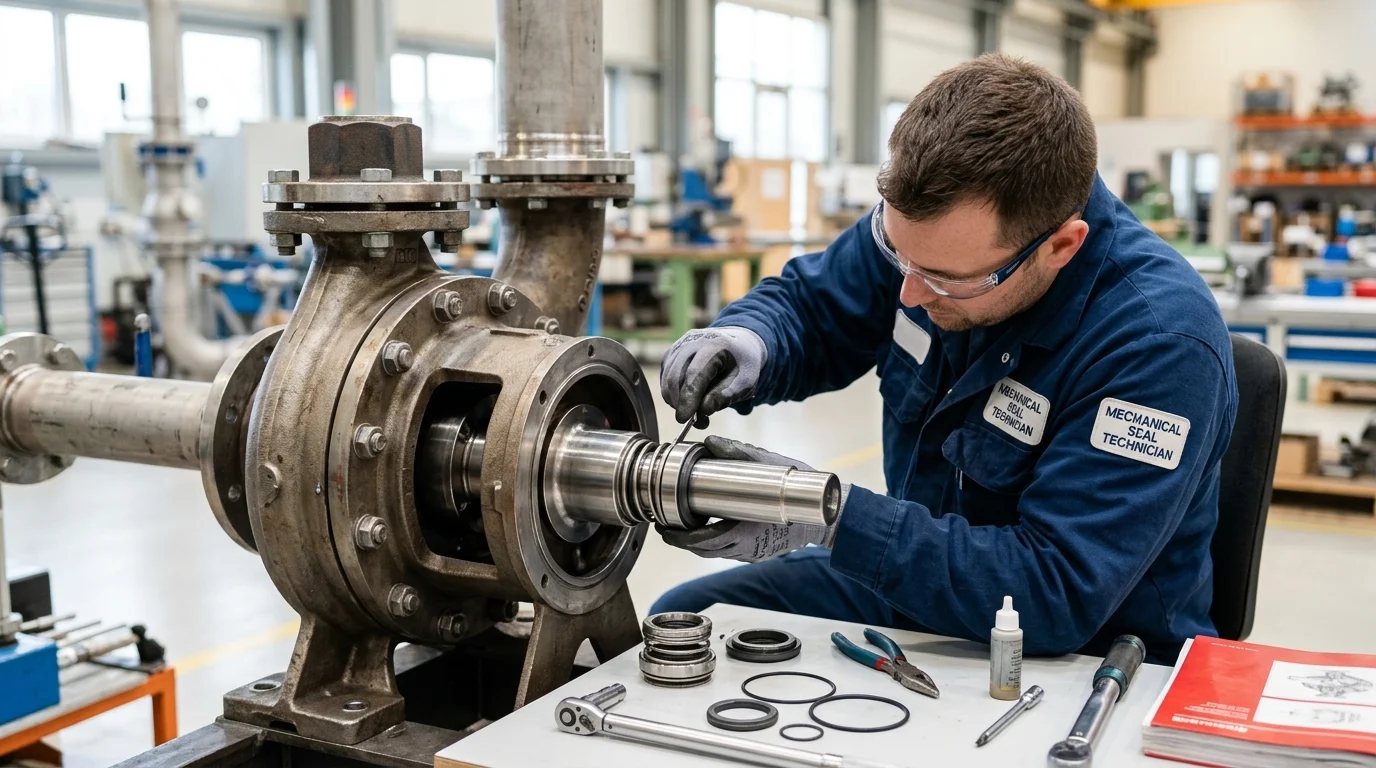
When a pump starts leaking or losing pressure, the problem is often isolated to the mechanical seal—not the entire unit. Replacing that component first can restore performance faster, reduce waste, and avoid the higher cost and downtime of a full pump replacement. This article explains why mechanical seal replacement is often the more sustainable and practical choice, what hidden costs come with replacing whole equipment, and how GW Seal’s 12-month warranty adds confidence to the repair decision. From budget control to environmental impact, the sections ahead show how targeted pump fixes can extend asset life without compromising reliability.
Why Choose Mechanical Seal Replacement First
Industrial operators frequently face a critical decision when fluid handling equipment begins to leak or lose pressure. Far too often, facilities default to discarding the entire unit, mistaking a localized component issue for a terminal asset failure. In an era of tightening budgets and strict environmental regulations, discarding functional equipment is no longer viable. This practice not only inflates capital expenditures but also drives up the facility's carbon footprint through unnecessary industrial waste. Prioritizing sustainable pump repair through targeted mechanical seal replacement offers a highly effective alternative that preserves both financial and environmental resources.
Hidden costs of full pump replacement
The financial and environmental toll of discarding an entire pump extends well beyond the initial purchase price. Procuring a new unit involves hidden expenditures, including extended lead times, heavy freight logistics, electrical modifications, and the labor required to re-pipe or realign the system. From a sustainability perspective, the disparity is striking. Industry lifecycle analyses indicate that the carbon emissions associated with repairing a pump via seal replacement represent merely 5% to 10% of the emissions generated by manufacturing, shipping, and installing a brand-new pump. By eliminating the need to smelt new cast iron or steel for the pump casing, facilities drastically reduce their Scope 3 emissions. This dramatic reduction in greenhouse gas emissions makes component-level repairs a cornerstone of any serious industrial sustainability initiative.
Seal failure vs. pump failure
Distinguishing between a compromised seal and a failing pump is essential for sustainable asset management. Studies routinely show that approximately 70% to 80% of centrifugal pump outages are directly caused by mechanical seal failures, while the heavy-duty components—such as the motor, volute, shaft, and impeller—remain structurally sound and fully operational. Executing a mechanical seal replacement rather than scrapping the entire machine maximizes the lifespan of these durable parts. By addressing the specific point of fluid leakage, maintenance teams can restore optimal hydraulic performance without discarding hundreds of pounds of perfectly viable industrial metal. Replacing just the seal allows facilities to maintain their existing infrastructure footprint while drastically cutting down on unnecessary procurement delays.
How to Simplify Sustainable Mechanical Seal Replacement
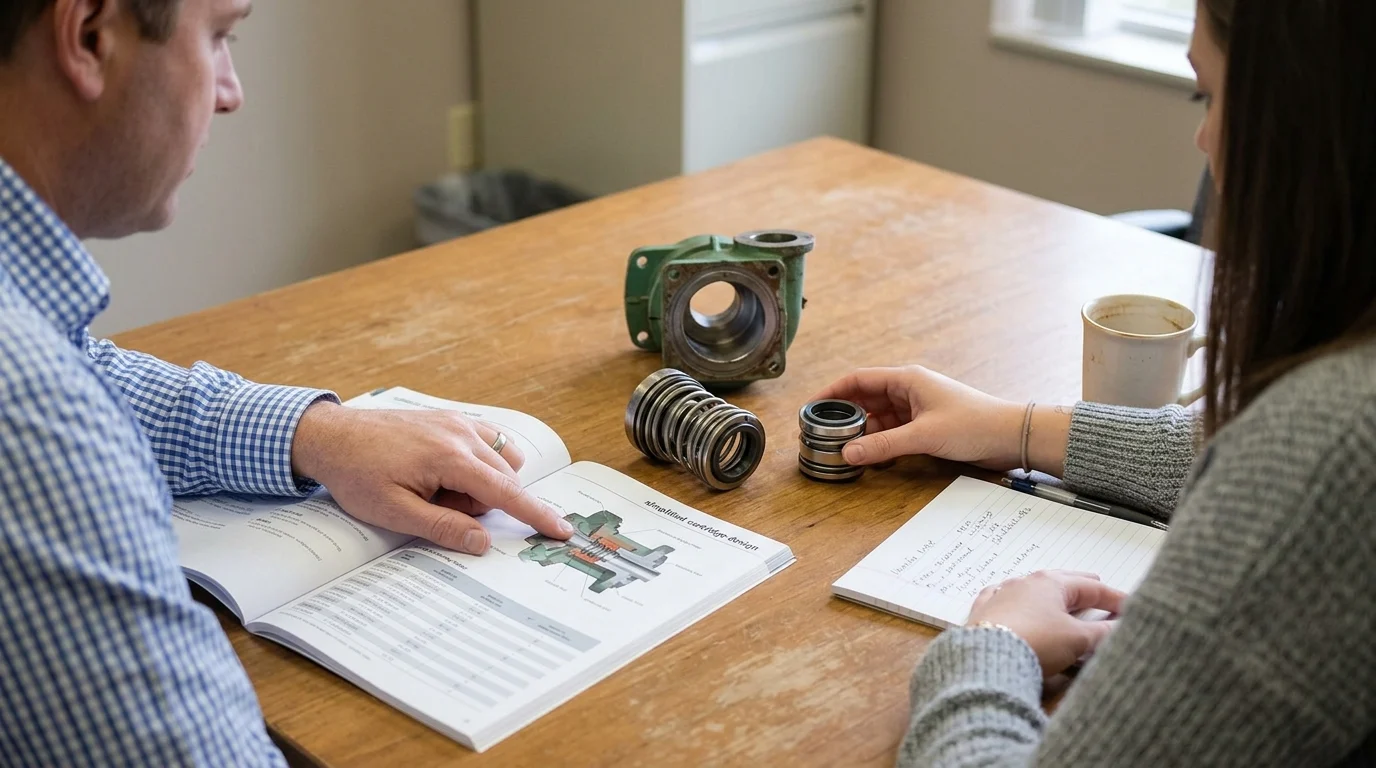
Adopting a repair-first methodology requires a highly streamlined supply chain to minimize costly operational downtime. When maintenance teams lack rapid access to reliable, high-quality components, the temptation to simply replace the entire pump grows. Facilities need an ecosystem of reliable parts that can be deployed quickly to restore critical pumping operations. Simplifying the procurement process is critical to making sustainable repairs the standard operational procedure across industrial facilities.
One-stop replacement support
Sourcing compatible parts for a diverse fleet of equipment often creates severe administrative bottlenecks. A consolidated approach eliminates this friction entirely. GW Seal serves as a comprehensive partner for sustainable asset management, offering a broad spectrum of compatible replacements for leading global brands, including Grundfos and Flygt, as well as various horizontal and vertical pump configurations. By utilizing a one-stop supplier, procurement departments can reduce component sourcing times by an estimated 30% to 40%. This ensures that maintenance crews have the exact seals they need without juggling multiple vendor accounts or navigating complex cross-reference catalogs. Consolidating the supply chain under a single, reliable manufacturer empowers maintenance teams to execute faster turnarounds.
Options for different operating conditions
Different industrial applications demand highly specific sealing technologies to safely handle varying pressures, temperatures, and fluid viscosities. GW Seal provides diverse configurations, including single, double, cartridge, and split seals, ensuring a precise match for any demanding operating condition.
| Seal Configuration | Typical Application Environment | Max Pressure Limit | Installation Time Savings |
|---|---|---|---|
| Single Spring | General water and low-toxicity chemicals | Up to 12 Bar | Baseline reference |
| Double / Dual | Hazardous, toxic, or highly abrasive fluids | Up to 25 Bar | Baseline reference |
| Cartridge | Standardized industrial process pumps | Up to 25 Bar | Approx. 30% to 40% |
| Split | Large, difficult-to-dismantle heavy equipment | Up to 15 Bar | Approx. 60% to 70% |
Matching the correct mechanical seal replacement to the specific operational environment prevents premature wear and thermal degradation. Selecting the optimal design minimizes the risk of secondary fluid leaks and ensures strict compliance with local environmental safety standards. This precise matching process significantly extends the mean time between failures (MTBF) and keeps critical fluid systems running smoothly.
When a Warranty-Backed Replacement Strategy Pays Off
Shifting to a sustainable maintenance model requires operational confidence. Plant managers and reliability engineers must be fully assured that repaired equipment will deliver reliable performance comparable to newly purchased assets. Without a safety net, operators often default to the perceived certainty of a brand-new pump. This is where robust supplier guarantees and shifting corporate governance standards intersect to validate the repair-first approach.
How to compare repair vs. replace
Traditional maintenance heuristics often dictate that if repair costs exceed 40% to 50% of the price of a new pump, replacement is the better financial option. However, this outdated calculation frequently ignores critical environmental, social, and governance (ESG) metrics. Modern corporate and government procurement frameworks increasingly incorporate "repairability" and "carbon reduction" into their vendor scoring systems. When a mechanical seal replacement is backed by GW Seal’s comprehensive 12-month warranty, the risk profile of repairing drops significantly. This extended coverage provides the operational security needed to justify repairs even when direct costs approach 60% of a new unit's price, factoring in the added ESG value and entirely avoided hazardous disposal fees. A guaranteed warranty shifts the financial calculus, proving that sustainable choices do not require compromising on industrial reliability.
Steps to implement a repair-first strategy
Executing a successful repair-first strategy begins with a thorough audit of existing fluid handling assets and their historical failure modes.
Key Takeaways
- The most important conclusions and rationale for mechanical seal replacement
- Specs, compliance, and risk checks worth validating before you commit
- Practical next steps and caveats readers can apply immediately
Frequently Asked Questions
When should I replace a mechanical seal instead of the whole pump?
Replace the seal first when leakage or pressure loss is localized and the motor, shaft, impeller, and casing are still sound. This often solves the issue faster and at far lower cost.
How much can mechanical seal replacement reduce environmental impact?
Repairing with a seal replacement can generate only about 5% to 10% of the emissions of buying and installing a new pump, helping reduce waste and Scope 3 emissions.
What seal types does GW Seal offer for different pump conditions?
GW Seal supplies single, double, cartridge, and split mechanical seals for horizontal and vertical pumps, matched to pressure, fluid type, and maintenance access needs.
Can GW Seal help replace seals for brands like Grundfos and Flygt?
Yes. GW Seal provides compatible replacement seals for major brands including Grundfos and Flygt, making sourcing simpler for mixed pump fleets.
What does GW Seal’s 12-month warranty cover?
It provides added assurance on replacement mechanical seals, helping maintenance teams choose repair-first solutions with more confidence. Confirm exact terms for your seal model and application before ordering.
